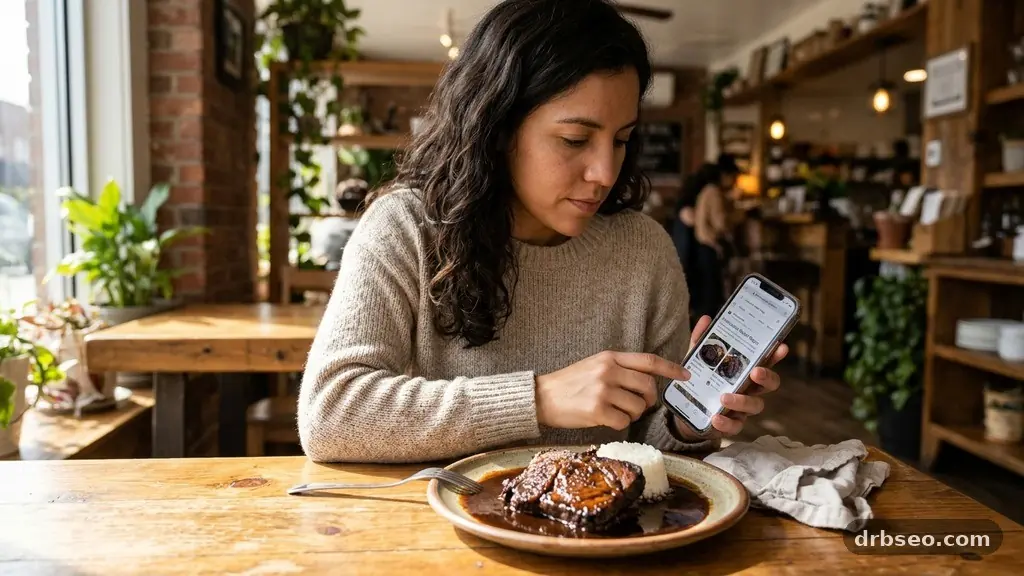
Finding the best Asado Negro near me usually means looking beyond a generic Latin restaurant listing and searching for a kitchen that understands Venezuelan cooking. This Caracas-born dish features beef eye of round slowly browned, braised, and coated in a deep black sauce built from caramelized sugar or papelón, aromatics, and savory seasoning.
The strongest local choice will describe the dish clearly, prepare it to order, and serve it with the right companions, especially white rice and plantains. Use the clues below to compare menus, read reviews intelligently, and recognize an authentic Venezuelan restaurant before you make the trip.
How to Find the Best Local Option
The most reliable starting point is a targeted search rather than a broad search for “Latin food.” Try phrases such as best Asado Negro Near Me, “Venezuelan asado negro,” or “Venezuelan food near me” in your preferred map app.
A Google Maps restaurant search can reveal useful details quickly, including menu photographs, opening hours, recent customer comments, and whether a restaurant identifies itself as Venezuelan. Search results are only a first filter, though; a listing may use “Latin” as a broad category without offering a single Venezuelan dish.
Check the current menu before driving across town. Asado negro may be a permanent entrée at one restaurant, a weekend special at another, or absent altogether even if the business serves arepas and empanadas.
Use several search terms
Restaurant owners describe the dish in different ways. One menu might say “asado negro,” another might write “Venezuelan black roast,” and a third might list “beef in caramelized papelón sauce.” Searching all three descriptions gives you a better chance of finding a nearby kitchen that actually serves it.
Social media can also help establish availability, particularly for small family-run restaurants and food trucks. Look for a recent post showing the dish or naming it as a daily special rather than relying on a photograph uploaded several years ago.
Read reviews for dish-specific evidence
General ratings are useful, but they don’t tell you whether the asado negro is good. Search reviews for words such as tender, “sweet-savory,” “black sauce,” “plantains,” and “rice.”
A review that says the beef was tender and the sauce tasted deeply caramelized is more informative than one that simply praises the atmosphere. Recent comments also matter because recipes, chefs, ownership, and portion sizes can change.
- Confirm that asado negro appears on the current menu.
- Check whether the restaurant identifies its food as Venezuelan.
- Look for recent photographs of the actual dish.
- Read comments about tenderness, sauce, and portion balance.
- Call ahead if the entrée appears to be a limited or weekend special.
What Authentic Asado Negro Should Taste Like
Asado negro is a braised beef dish with a distinctive contrast: the exterior and sauce are dark, rich, and slightly sweet, while the meat should remain savory and deeply seasoned. The color should come from controlled caramelization and long cooking, not from an artificial-looking coating or a thin brown gravy.
Traditional preparations commonly use beef eye of round, a lean cut that benefits from careful braising. The beef is often marinated before browning, then cooked slowly with onions, garlic, and a sweet element such as papelón, the unrefined cane sugar widely used in Venezuelan cuisine.
The finished sauce should cling to the sliced beef. It may contain notes of red wine, Worcestershire sauce, garlic, onion, and spices, but no single ingredient should overpower the dish.
Sweetness should support the beef
Papelón contributes a rounded molasses-like sweetness rather than the sharp taste of ordinary white sugar. A skilled cook balances that sweetness with salt, acidity, aromatics, and the browned juices released during the braise.
If the sauce tastes like dessert, the balance is off. If it tastes only salty or bitter, the caramelization may have gone too far or the sweet element may have been underused.
The beef should slice cleanly
Asado negro is not supposed to resemble shredded barbecue. The beef is generally presented in slices, and those slices should be tender enough to cut with a fork without collapsing into dry fibers.
Because eye of round is lean, timing matters. Overcooking without enough braising liquid can produce firm, chalky meat, while rushed cooking may leave the center chewy and prevent the sauce from developing its characteristic depth.
For cultural context, readers unfamiliar with Venezuelan food can consult this background on Venezuelan food and daily life from Encyclopaedia Britannica. It helps place the dish within a broader national cuisine rather than treating it as just another beef entrée.
Ingredients That Reveal the Kitchen’s Approach
Menus rarely publish a full recipe, but their wording can reveal whether the restaurant understands the dish. A description mentioning beef eye of round, papelón, caramelized onions, or a slow black sauce gives more useful information than a vague phrase such as “traditional beef.”
Garlic marinade is another promising clue, especially when it appears alongside onion, spices, or wine. Marinating adds flavor before the searing stage, so the final sauce tastes integrated rather than merely poured over the meat at the end.
Red wine is used in some versions to add acidity and complexity, although it isn’t essential to every family recipe. Worcestershire sauce may also appear in contemporary or restaurant-style preparations, contributing salt, umami, and a lightly tangy note.
Why the sauce turns black
The deep color develops through browning and reduction. Sugar or papelón darkens as it caramelizes, while the seared beef, onions, and braising liquid contribute additional brown compounds and concentrated flavor.
The best sauce is dark but not burnt. Bitterness can signal scorched sugar, burned fond, or excessive reduction, whereas a glossy sauce with savory sweetness usually indicates that the cooking process was controlled.
Ingredient lists need context
A restaurant may use a slightly different sweetener, substitute a cut of beef, or adapt the seasoning for local availability. That doesn’t automatically make the dish inauthentic, especially when the kitchen preserves the essential combination of browned beef, slow braising, and balanced black sauce.
Authenticity is better judged by flavor, technique, and cultural connection than by a rigid checklist. Recipes vary between households in Caracas and across the Venezuelan diaspora.
How to Judge a Restaurant Before You Order
An authentic Venezuelan restaurant often has a menu that extends beyond one famous item. Look for other recognizable dishes such as arepas, cachapas, pabellón criollo, tequeños, or hallacas when they are in season.
A broader Venezuelan menu doesn’t guarantee excellent asado negro, but it suggests the kitchen has a sustained relationship with the cuisine. A restaurant that lists only “Latin steak” and “Caribbean beef” may still serve a tasty meal, yet it provides less evidence of a specifically Venezuelan preparation.
Study the menu language
Specific descriptions are valuable. “Slow-braised beef in a caramelized papelón sauce” tells you far more than “house beef,” particularly if the menu also identifies traditional sides.
Pay attention to whether the dish is described as a roast, stew, or sliced beef entrée. Terminology varies, but a description that mentions braising or slow cooking fits the preparation more closely than one suggesting a quickly grilled steak.
Check photographs carefully
Good photographs can show whether the beef arrives in slices, whether the sauce is thick enough to coat the meat, and whether the plate includes rice or plantains. They can also reveal portion consistency across recent customer uploads.
Don’t reject a restaurant because its professional photograph looks different from a home-style version. Presentation varies, and lighting can distort the sauce color; use several images and recent reviews together.
Ask one useful question
When calling, ask, “Is the asado negro available today, and is it served sliced with its traditional sauce?” That question confirms both availability and preparation without demanding a recipe from the staff.
You can also ask whether the dish is made in advance or finished to order. Since the beef usually requires extended cooking, preparation ahead is normal; the important issue is whether it is reheated carefully and served with enough sauce.
Why Caracas Matters to the Dish
Asado negro is strongly associated with Caracas and is often described as a festive or special-occasion preparation. Its place in Venezuelan cuisine reflects the way home cooks turn a relatively lean cut of beef into a celebratory centerpiece through marinating, browning, and patient braising.
The dish is also a reminder that Venezuelan food cannot be reduced to arepas alone. Regional ingredients and family traditions shape recipes differently, while the diaspora has carried familiar flavors into restaurants in North America, Europe, and elsewhere.
Caracas-style references on a menu can therefore be meaningful, but they shouldn’t be treated as a guarantee of one standardized recipe. A family from another part of Venezuela may prepare the sauce with a different balance of sweetener, wine, spices, or aromatics.
Special occasions and family cooking
Many braised dishes are connected to gatherings because they feed several people and can be prepared before guests arrive. Asado negro fits that pattern: the beef can rest, the sauce can be adjusted, and the slices can be plated when the meal begins.
That background explains why a restaurant may offer the dish only on selected days. A kitchen might prepare a larger batch for Sunday service, a holiday menu, or a catering order rather than keeping it available every hour.
Tradition can coexist with adaptation
Restaurants outside Venezuela may adjust heat levels, serving sizes, or side dishes for their local customers. Those changes don’t necessarily erase the dish’s identity if the core flavor remains centered on caramelized beef and a dark, balanced sauce.
The most useful question is whether the adaptation preserves the dish’s character. A sweeter sauce or different garnish may be harmless; replacing the slow-braised beef with a plain grilled steak is a much larger departure.
The Best Sides for a Balanced Plate
White rice is one of the most practical companions for asado negro because it absorbs the black sauce without competing with it. Plain, fluffy rice gives the sweet-savory beef somewhere to go and keeps each bite from becoming too intense.
Plantains provide a second texture and another form of sweetness. Depending on the restaurant, they may arrive as fried ripe plantains, known as tajadas, or in another preparation that adds caramelized edges to the plate.
The pairing works because the components are not identical. The beef supplies concentrated savory depth, rice softens the sauce, and plantains add fruit-like sweetness with a crisp or tender contrast.
What to look for in the plate
A good serving should have enough sauce to flavor the rice without leaving the beef submerged. The slices should remain visible, and the sides should retain their own texture rather than becoming soaked and limp before reaching the table.
Portion size is less important than proportion. A large amount of rice cannot compensate for dry meat, just as an oversized slice of plantain can overwhelm a sauce that is already sweet.
Drinks and extras
A refreshing, lightly acidic drink can work well beside the dish, especially if the sauce is rich. Some diners may prefer a simple beverage that cleanses the palate rather than another sweet flavor.
Ask whether the restaurant offers a small side of additional sauce. That can be useful for rice, although the request also gives you a chance to judge whether the kitchen treats the sauce as a central part of the dish rather than a decorative drizzle.
Comparing Nearby Restaurants Fairly
Distance and star ratings don’t tell the whole story. The closest restaurant may have the dish only on weekends, while a slightly farther kitchen may prepare it consistently and offer a better explanation of its ingredients.
Use a short comparison rather than making an impulsive choice from the first search result. Record the dish’s availability, description, recent review evidence, sides, and travel time before deciding.
| Comparison point | Strong signal | Warning sign |
|---|---|---|
| Menu description | Names slow-braised beef, papelón, or caramelized sauce | Uses only vague terms such as “house steak” |
| Availability | Current menu or recent post confirms service | Only an old photograph mentions the dish |
| Customer comments | Recent reviews discuss tender beef and balanced sauce | Comments focus only on décor or drinks |
| Accompaniments | White rice and plantains are offered naturally | Only fries or generic sides are listed |
| Restaurant identity | Venezuelan dishes appear across the menu | “Latin” is the only cuisine description |
Price should be considered alongside portion and preparation. A dish requiring a long braise may cost more than a fast-cooked lunch entrée, but a higher price alone doesn’t prove better quality.
Look for consistency across recent visits if you plan to return. A restaurant that serves a well-balanced plate on one occasion but dry beef on the next may be dealing with batch timing, staffing, or demand rather than a stable recipe.
Build a practical shortlist
Choose two or three candidates instead of chasing every result. One nearby restaurant can be your convenient option, another can be the specialist with stronger Venezuelan credentials, and a third can be a weekend destination with a broader menu.
Contact each business before visiting if the dish is central to your plans. That small step prevents the common disappointment of arriving after a special has sold out or discovering that an old menu photograph no longer reflects the current offering.
Common Mistakes When Ordering Asado Negro
One mistake is assuming that every dark beef dish is asado negro. Color alone isn’t enough; the dish should have the characteristic sweet-savory sauce and slow-cooked tenderness associated with the preparation.
Another mistake is ordering without checking the portion style. Some restaurants serve a full entrée, while others offer a smaller tasting plate or include the dish only as part of a rotating lunch special.
Don’t judge it by steak standards
Asado negro isn’t intended to have the seared crust and pink center of a steakhouse cut. Its appeal comes from braising and sauce development, so comparing it directly with grilled rib-eye misses the technique.
The beef may be darker around the edges and softer throughout. What matters is whether the slices are tender, moist, and supported by a sauce with depth rather than whether they resemble a conventional roast beef carving.
Don’t confuse sweetness with poor quality
Papelón is supposed to bring sweetness, and caramelization is central to the dish. The issue is balance, not the presence of sugar.
A good plate should move between sweet, salty, savory, and aromatic notes. If the sweetness masks the beef or leaves a syrupy finish, the kitchen may have pushed the sauce too far.
Don’t overlook service timing
Slow-braised food may take longer than a fried appetizer or grilled sandwich. A reasonable wait can reflect the dish’s preparation, but the staff should be able to explain the expected timing clearly.
If you’re dining with a group, ask whether the kitchen has enough portions available. This is especially important during Sunday service, holidays, or local Venezuelan cultural events.
Planning a Memorable First Visit
Start with the restaurant’s own description, then compare it with recent photographs and reviews. That sequence keeps marketing language from doing all the work and helps you identify evidence about the actual plate.
If you’ve never tried the dish, order it with the standard sides before requesting substitutions. White rice and plantains are part of the intended balance, so replacing them with unrelated sides makes the first tasting less representative.
Take note of the sauce separately from the beef. Ask yourself whether it is sweet but savory, whether the caramelized flavor tastes developed rather than burnt, and whether it coats the slices without becoming heavy.
What to remember after the meal
Write down the dish’s availability, side portions, sauce balance, and beef texture while the experience is fresh. Those details are more useful for a future decision than a general memory that the restaurant was “good.”
If the meal was excellent, mention the specific dish in your review. Saying that the beef was tender and the papelón sauce was balanced helps other diners searching for Venezuelan food near me far more than a one-line rating.
When to try another restaurant
A disappointing plate doesn’t mean the entire cuisine failed. Asado negro is sensitive to batch preparation, reheating, and sauce reduction, so one weak service may not represent every day at the restaurant.
Still, repeated problems matter. If the beef is consistently dry, the sauce tastes burnt, or the menu description does not match what arrives, move on to another kitchen and compare the results.
Frequently Asked Questions
What is asado negro made from?
Asado negro is commonly made with beef eye of round or another suitable roast cut, then marinated, browned, and slowly braised. The sauce typically includes a sweet element such as papelón along with aromatics, seasoning, and sometimes red wine or Worcestershire sauce.
Is asado negro spicy?
Traditional versions are usually more aromatic and sweet-savory than hot. A restaurant may add pepper or other seasonings, but strong chili heat isn’t the defining feature of the dish.
Why is the sauce so dark?
The black sauce gets its color from caramelized sugar or papelón, browned beef, onions, and reduced cooking liquid. It should taste rich and slightly sweet, not sharply bitter or scorched.
What should I order with it?
White rice and plantains are the classic choices because they balance the concentrated sauce and add contrasting texture. If available, order the dish with its traditional sides before making substitutions.
How can I find asado negro if it isn’t on the menu?
Search for Venezuelan restaurants using several terms, including “Venezuelan black roast” and “beef in papelón sauce.” Then call ahead, since some kitchens prepare asado negro for weekends, holidays, catering, or rotating specials rather than offering it every day.
Choosing Your Best Local Plate
The best Asado Negro Near Me is likely to come from a restaurant that names the dish accurately, confirms its current availability, and treats the black sauce as the heart of the preparation. Look for tender sliced beef, balanced papelón sweetness, and familiar sides such as white rice and plantains.
Before you go, compare a few menus, read dish-specific reviews, and call if the listing is unclear. Once you find a kitchen that delivers caramelized beef with depth and care, save it, share the details with other diners, and make it your dependable destination for Venezuelan comfort food.