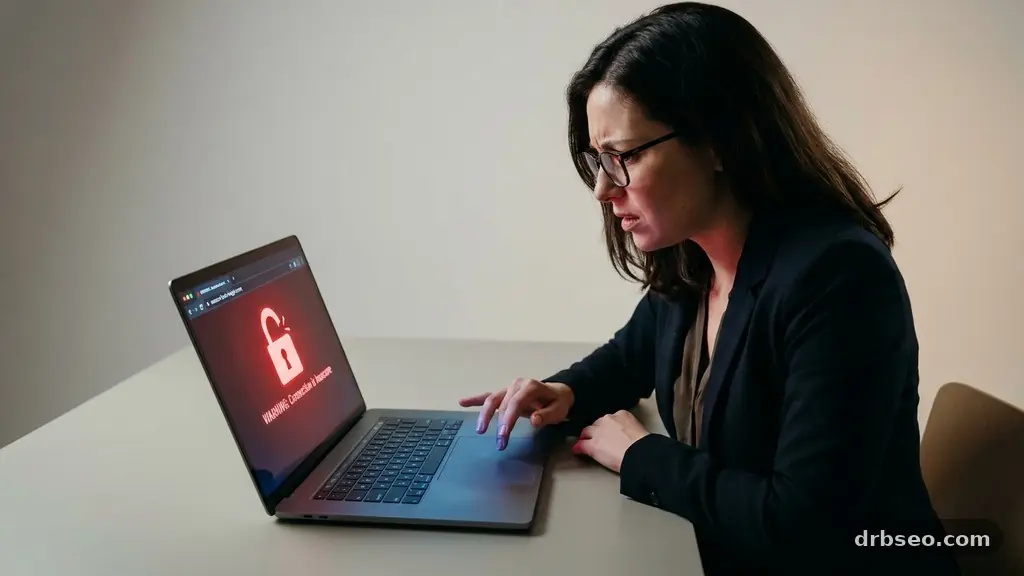
Searches for Thealitekeepsafe .com often reflect a simple concern: can this website be trusted, and what should a visitor expect after opening it? The name appears with a space in some searches, although a real web address normally uses the hostname Thealitekeepsafe.com without that space.
Because a site’s ownership, content, and security status can change, a responsible assessment should rely on current evidence rather than assumptions based on the domain name alone. The checks below explain how to examine website safety, credibility, privacy practices, and the overall online experience without exposing personal or payment information unnecessarily.
What can be established about the site first?
The most important early answer is that a domain name alone does not prove legitimacy, business identity, or safety. The phrase “Thealitekeepsafe .com” gives you a search target, but it does not by itself confirm who operates the site, how long it has existed, what it sells, or whether its pages are free from malicious code.
A careful review should therefore distinguish between verified facts, visible signals, and claims that remain unconfirmed. If the website does not clearly publish a legal business name, contact information, privacy policy, and terms of service, its credibility should be treated as limited until independent evidence supports it.
The spelling also deserves attention. Spaces are not permitted inside a standard domain hostname, so a browser address would normally be written as Thealitekeepsafe.com, not “Thealitekeepsafe .com.” Before clicking a result, inspect the actual address bar and check for added words, unusual subdomains, misspellings, or a different top-level domain.
| Question | What confirms it | What remains uncertain without live checking |
|---|---|---|
| Who operates the site? | A named organisation, verifiable address, and consistent contact details | The real domain owner or operating company |
| Is the connection protected? | HTTPS, a valid SSL/TLS certificate, and no browser warning | Whether the business itself is trustworthy |
| Is the domain established? | WHOIS records, registration history, and consistent public references | Whether age reflects genuine reputation |
| Is the content reliable? | Clear authorship, useful policies, accurate claims, and independent reviews | The quality of every page without reviewing it directly |
That distinction prevents a common mistake: treating a padlock icon as a complete safety certificate. Encryption protects data in transit, but it does not guarantee honest pricing, responsible data handling, or competent customer service.
How to inspect the address and connection
Start with the exact URL rather than the search-result title. A secure-looking page can still be hosted at a deceptive address that uses a familiar word, a hyphen, an extra letter, or a misleading subdomain designed to resemble a better-known organisation.
Look for HTTPS encryption in the address bar and open the browser’s certificate information if you need more detail. An SSL/TLS certificate helps encrypt the connection between your browser and the server, reducing the chance that ordinary network traffic is read in transit.
However, HTTPS is not a character reference. Certificate authorities generally verify control of a domain, not whether its operator deserves your money or personal details. A fraudulent shop, impersonation page, or low-quality service can also use HTTPS.
Signals that deserve a pause
Do not continue casually if the browser displays a certificate error, a malware warning, or a confusing redirect chain. A page that repeatedly sends visitors to unrelated domains may be using aggressive advertising, compromised scripts, or a traffic-monetisation scheme.
- Check that the spelling in the address bar matches the intended domain.
- Be cautious if the page requests card details before explaining the product or service.
- Do not disable browser security warnings to make a page load.
- Inspect shortened links and pop-up redirects before following them.
- Use a separate browser profile or private window for unfamiliar sites.
A clean connection is useful, but it is only the first layer of review. Website safety also depends on the files a page loads, the permissions it requests, the quality of its forms, and the way it handles data after submission.
Using domain age and WHOIS information carefully
A WHOIS lookup can show registration-related information such as the creation date, registrar, renewal status, and name servers, although privacy services may hide the registrant’s name. These details can help establish whether a domain is new, recently transferred, or technically connected to a larger group of domains.
Domain age is a clue, not a verdict. A newly registered website may belong to a legitimate new project, while an old domain may have changed owners, expired, been repurposed, or suffered a compromise. The registration date should be compared with the business history and claims shown on the website.
Pay close attention to mismatches. If a page says it has operated for ten years but the domain was created recently, there may be an innocent explanation, such as a rebrand or a move from another domain, but the operator should explain it clearly.
What registration records cannot prove
WHOIS information rarely confirms the person making sales or publishing content. Registrars may protect personal data, and a listed country or hosting provider does not necessarily identify the company behind the service.
Registration records also cannot confirm that reviews are genuine, products exist, or refunds will be honoured. They are best used as a timeline tool alongside archived pages, corporate records, social accounts, and independent customer experiences.
For Thealitekeepsafe.com, avoid treating a hidden registrant as automatic proof of fraud. Privacy protection is common and can be sensible for individuals, but a commercial operation should still offer transparent business contact information and a clear way to resolve complaints.
Assessing website credibility beyond design
Visual polish can be copied quickly. A professional logo, stock photography, animated banner, and formal wording may create confidence without providing evidence that the organisation is real or accountable.
Stronger website credibility comes from consistency. The company name should match across the homepage, checkout, email address, privacy policy, receipts, and social profiles, while the stated location and contact methods should be plausible and usable.
Read several pages instead of judging the landing page alone. Look for specific product descriptions, realistic delivery or service terms, transparent prices, named authors where relevant, and an explanation of how customers can request support.
Practical credibility signals
- Contact information: a working email address, a meaningful physical or mailing address where appropriate, and a support process.
- Privacy policy: an explanation of what data is collected, why it is used, and whether it is shared.
- Terms of service: clear rules covering purchases, cancellations, refunds, account use, and dispute handling.
- Consistent identity: matching names, logos, addresses, and domain-based email accounts.
- Independent reputation: reviews or references hosted outside the site itself and supported by specific details.
Missing policies are not always evidence of malicious intent, particularly on a small informational site. They are still a reason to limit what you share, especially if the page asks for payment, identity documents, health information, or account credentials.
Privacy, data collection, and account safety
A website’s privacy policy should answer practical questions, not simply display legal language. You should be able to identify the categories of information collected, the purpose of collection, retention practices, cookie use, third-party services, and a method for requesting access or deletion where applicable.
Read the checkout and registration screens as closely as the policy. A site may advertise a free service but require marketing consent, recurring billing, contact-list access, or extensive profile data before the main feature works.
Never reuse a password from email, banking, shopping, or social media accounts. If you decide to create an account on Thealitekeepsafe.com, use a unique password stored in a reputable password manager and enable multifactor authentication if the site supports it.
Information worth withholding
An unfamiliar website generally has no immediate need for your passport, full banking login, email password, or copies of identity documents. A request for such material should be justified by a verifiable service relationship and handled through a secure, appropriate process.
Payment information deserves extra caution. Credit cards and virtual cards may provide stronger dispute options than direct bank transfers, cryptocurrency payments, gift cards, or other methods that are difficult to reverse.
Cookies and browser permissions also affect the online experience. Decline unnecessary notification access, camera or microphone permissions, and location requests unless the feature clearly depends on them.
Malware detection and phishing risk
Malware detection services can identify known malicious files, suspicious scripts, compromised pages, or connections to dangerous infrastructure. They are useful screening tools, but no scanner catches every newly created threat or every deceptive business practice.
Use your browser’s built-in warning system and reputable security software before downloading anything. A document, browser extension, executable installer, or mobile application deserves more scrutiny than a static page because it can change your device or access stored information.
Phishing risk rises when a site creates urgency. Messages claiming that an account will close immediately, a parcel is waiting, or an unusually large reward expires within minutes are common tactics for pushing visitors past their normal judgment.
For an additional check, consult the Google Safe Browsing site-status tool before entering sensitive details. A clean result is encouraging, but it does not establish that the operator is reputable, financially stable, or compliant with consumer-protection rules.
Common warning patterns
- Unexpected login prompts after clicking an email or social-media message.
- Requests to install software to “verify” a payment or unlock content.
- Pop-ups claiming the device is infected and directing you to call a number.
- Forms that ask for more information than the stated service requires.
- Payment instructions that change during a conversation or move to a private chat.
If you already entered a password on a suspicious page, change it immediately from a trusted device and review account sessions. Contact your bank quickly if payment details were submitted, and preserve screenshots, emails, receipts, and the exact URL.
Judging the quality of the online experience
Safety and usability overlap, but they are not identical. A website can be technically secure yet frustrating, opaque, or difficult to use because of intrusive pop-ups, broken forms, slow pages, inaccessible text, or unclear navigation.
Assess whether the main purpose is obvious within a few seconds. A credible service should explain what it offers, who it serves, what it costs if payment is involved, and how support works without forcing visitors through multiple unrelated screens.
Mobile behaviour is especially revealing. Test the page on a phone without granting optional permissions, and check whether buttons remain visible, text is readable, and checkout totals stay consistent from product selection to confirmation.
What a useful experience looks like
Good navigation reduces pressure. Menus should lead to identifiable pages, important terms should be available before payment, and error messages should explain how to correct a problem rather than simply saying that something went wrong.
Accessibility matters too. Keyboard navigation, meaningful link labels, sufficient contrast, captions for important video, and sensible heading structure help people with disabilities and often make the site easier for everyone.
Watch for dark patterns such as preselected subscriptions, confusing “accept” buttons, hidden cancellation instructions, or countdown timers that restart whenever the page is refreshed. These practices may not prove a site is malicious, but they weaken confidence and make the service harder to use fairly.
Reviews, reputation, and independent evidence
Reviews can add context, but they need interpretation. A large number of short comments posted within a narrow period may be less persuasive than a smaller set of detailed accounts that explain what was purchased, when it arrived, and how support handled a problem.
Search for the domain name alongside terms such as “refund,” “complaint,” “support,” or “scam,” while remembering that search results can contain copied claims and reputation-management content. Give greater weight to verifiable reports, consumer agencies, established publications, and records that show dates and specific interactions.
Do not assume every negative review is accurate either. Competitor attacks, misunderstandings, delivery disputes, and isolated technical failures can distort the picture, so compare several sources and look for repeated patterns.
Evidence that carries more weight
- A dated response from the operator that addresses the complaint specifically.
- Consistent customer reports across unrelated platforms.
- Public business records that match the name and address shown on the site.
- Clear refund outcomes supported by receipts or correspondence.
- Long-term references that remain consistent after the site changes design.
Social-media activity is another clue, not proof. A profile created recently, filled with generic posts, or unable to answer basic questions about the business should not be treated as an established reputation.
How to decide whether to proceed
Use a staged approach instead of making one dramatic yes-or-no judgment. First view the site without logging in, then read its policies, verify the domain, and search for independent evidence before sharing information or paying.
The appropriate response depends on the stakes. Reading a public article requires far less trust than uploading identity documents, downloading software, signing a contract, or authorising recurring charges.
| Action | Reasonable approach | Stop condition |
|---|---|---|
| Read public content | Use a current browser and avoid unnecessary permissions | Malware warning, forced download, or repeated redirects |
| Create an account | Use a unique password and minimal profile details | No privacy policy or unexplained data demands |
| Make a purchase | Confirm seller identity, total price, refund terms, and payment protection | Pressure, hidden recurring fees, or irreversible payment request |
| Download a file | Scan it and verify the file type and publisher | Security warning or request to disable protection |
This method keeps the decision proportional. You do not need to prove that a website is fraudulent before deciding not to use it; unclear ownership, weak policies, and pressure to act can be sufficient reasons to walk away.
What to do after a suspicious interaction
If you only visited a page and entered nothing, close it, clear any downloaded files, and run a security scan if the browser displayed a warning. Review notification permissions because some deceptive pages try to send persistent alerts even after the tab is closed.
If you entered a password, change it through the genuine service’s official app or manually typed address. Turn on multifactor authentication, sign out unknown sessions, and check whether the same password was reused elsewhere.
Payment exposure requires speed. Contact the card issuer or bank using the number on the card or official statement, explain what happened, and ask about monitoring, replacement, charge disputes, or a payment reversal.
Preserve useful records
Save the URL, date and time, screenshots, order number, emails, chat transcripts, and transaction details. Do not continue arguing with a suspected impersonator or send additional documents because someone claims they are needed to release a refund.
Report malicious activity through the relevant browser, hosting, payment, marketplace, or national cybercrime channel. A precise report with the address and evidence helps investigators distinguish a genuine risk from a vague complaint.
After the immediate issue is contained, review bank statements and important accounts for several weeks. Small unfamiliar charges can appear after a larger incident, and delayed monitoring may allow a problem to grow.
Frequently asked questions
Is Thealitekeepsafe.com automatically safe because it uses HTTPS?
No. HTTPS and an SSL/TLS certificate protect the connection, but they do not verify the operator’s honesty, product quality, refund practices, or privacy standards. Treat encryption as a basic technical requirement rather than a complete trust decision.
Does a private WHOIS record mean the website is a scam?
No. Domain owners often use privacy services to reduce spam and protect personal information. The concern is stronger when hidden ownership is combined with missing contact information, contradictory business claims, pressure to pay, or a very recent domain with no credible history.
How can I check the site for malware?
Use your browser’s security warnings, current security software, and a reputable site-status checker such as Google Safe Browsing. Avoid downloads from a page that asks you to disable protection, install an unknown extension, or call a pop-up phone number.
What should I do if the website asks for identity documents?
Pause and verify why the documents are required, who will receive them, how long they will be retained, and whether a secure upload method exists. If the site cannot identify the responsible organisation or explain its privacy controls, do not submit the documents.
Can positive online reviews prove credibility?
No. Reviews are useful when they are detailed, dated, independent, and consistent with other evidence. A better assessment combines reviews with domain history, business identity, policies, technical checks, and the site’s actual conduct during a transaction.
Final steps for a safer decision
Thealitekeepsafe .com should be judged through current evidence rather than its name, visual design, or a single security signal. Check the exact domain, HTTPS status, domain history, ownership clues, policies, contact information, independent reputation, and malware warnings before taking a high-risk action.
Start with the lowest-risk interaction and share only what the service genuinely needs. If the site stays transparent and consistent, confidence can grow; if it creates pressure or leaves basic questions unanswered, stepping away is a sensible online experience choice.